

 English - EN
  繁體 - ZH-TW
  简体 - ZH-CN
  Español - ES
  日本語 - JA
  العربية - AR
  Русский - RU
  Français - FR

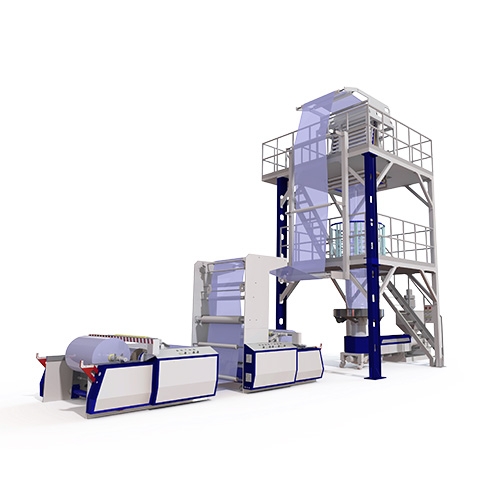
LDPE / LLDPE吹膜生產線(JC-LH系列)
產品分類 : 吹膜押出機
JC-LH系列吹膜擠出生產線專為LDPE / LLDPE膜生產而設計,可實現高產量,並具有優異的膜質量和透明度,可滿足各種應用的要求。

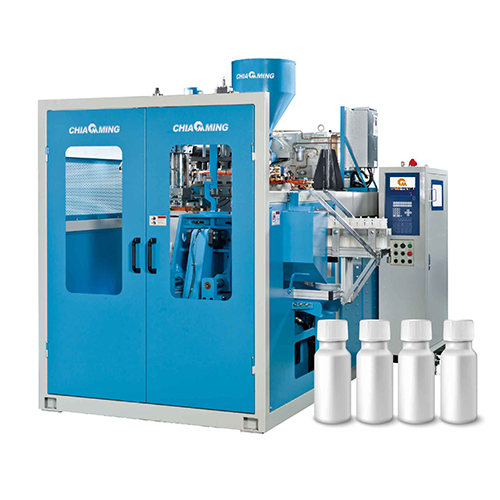
油電混合式中空成型機-CM-HB 系列
產品分類 : 電控中空成型機
為因應省電節能及耐操好用的採購需求,嘉明積極研發省能源且兼具實用性的油電混合式中空成型機。 具有全電式定位快速、精準及省能源的特性,也保有油壓結構高推力的特性,不但低於全電式成本,而且能有效改善傳統油壓耗能源的問題,滿足客戶品質、速度、精密與穩定的高質化經濟效益。

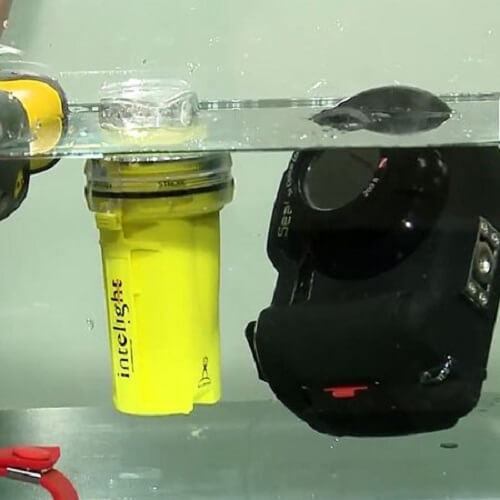
OVER INJECTION MOLD
產品分類 : 射出成型模具
Over Molding is the process where one material is precision molded over another material, usually rubber (TPE) over plastic, for visual or ergonomic appeal. Very often when the design requires ” soft touch” or waterproofing (IP68), over molding is the manufacturing process that we will use. For over molding success, knowledge of material compatibility is crucial. Our extensive expertise in this field helps assure your end part will have the strong end-application bond and performance that your product success demands. Insert molding can also be combined with over molding using parts made of aluminum, brass, stainless steel, copper, plastic and more.

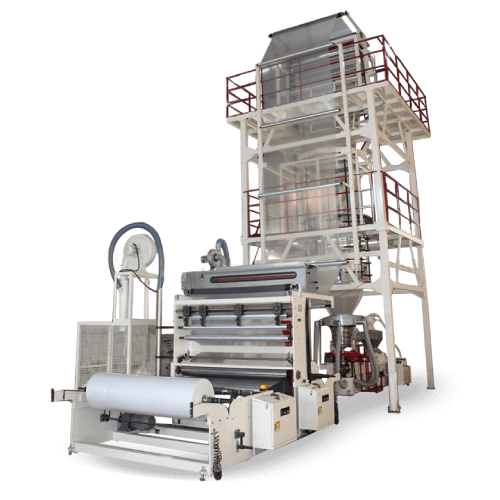
LDPE超高速吹膜機
產品分類 : 吹膜押出機
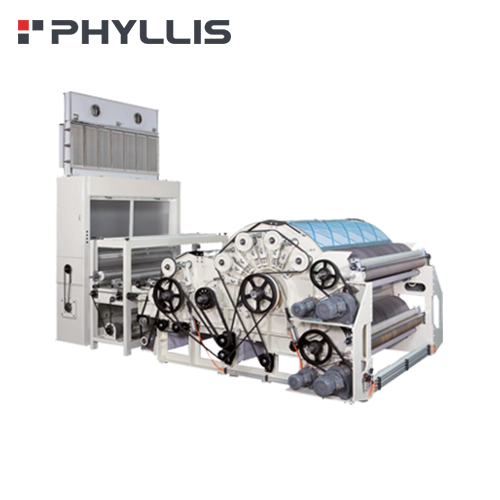
King-Plus HES Series is designed to produce HDPE plastic film, while LES series for LDPE plastic film. These machines could give you advantages with high-quality, extraordinary mixing performance and high output capacity. With precise machinery design, they could work in efficiency state to realize the achievement of saving energy. HDPE & LDPE film is commonly used to shopping bag, garbage bag, surface protection film and barrier film etc.. There are some auxiliary options as like rotary die seat, auto loader, gusset device, embossing device and auto roll change device and so on, to build a especially-suitable blown film machine for you.
INSERT INJECTION MOLD
產品分類 : 射出成型模具
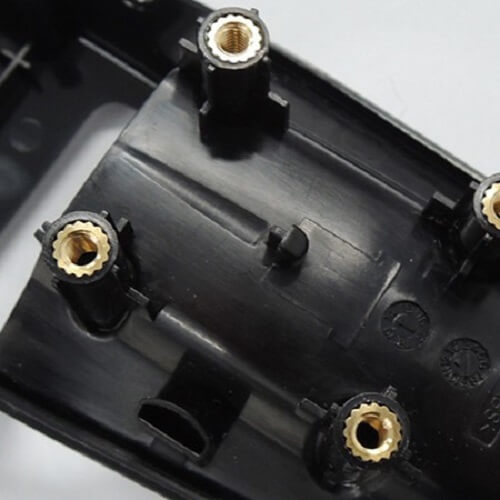
INSERT MOLDING TECHNOLOGY: When a metal, plastic or ceramic part needs to be embedded in plastic to improve product structure it is called Insert Molding. It is a widely used process and one that YOMURA TECHNOLOGIES specializes in. With Insert Molding, a part is placed in a mold cavity then a selected plastic material is injected directly over it resulting is a single part with the insert(s) encapsulated by the material. This process normally uses engineering plastics for improved wear resistance, tensile strength and weight reduction. Insert Molding can be a highly efficient alternative to the assembly of discrete parts using soldering, connectors, fasteners, or adhesives. It also expands plastic capabilities and can reduce final product cost by limiting the amount of costly metal needed to create a part. And importantly, because we can use conventional single shot injection machines for Insert Molding, tooling costs are lower than with a multi-shot processing. Benefits: Reduced assembly and labor costs Because insert molding joins numerous components with thermoplastic, assembly and labor costs are greatly minimized. For example, a single stamping can be overmolded, then perforated to create multiple circuit paths. Reduced size and weight By eliminating fasteners and connectors, and by combining the physical strength of resin and metal inserts, insert molding yields smaller and lighter components. Increased reliability With every part tightly secured in thermoplastic, an insert molded component prevents part loosening, misalignment, improper terminations, and other problems. The thermoplastic resin also provides improved resistance to shock and vibration. Increased design flexibility Designers appreciate the virtually unlimited configurations that insert molding allows. For example, in creating a 3D circuit board, overmolding permits circuitry to move freely through the part, from inside to outside, up walls, down in holes-and the plastic ties it all together. Materials: Engineering plastic or Thermo Plastic Rubber (TPR) inserted with metal frame die casting, plated copper pin, sockets, wire frames, etc. Applications: TPR + Metal Frame(3C Mechanical Parts) ABS + Al. Die Cast (Sports/ Medical) Eng. Plastic + Patting Pin/Eng. Plastic + Wireframe (Connector) Eng. Plastic + Copper Pin/Contact (Precision Electronic Component)