

 English - EN
  繁體 - ZH-TW
  简体 - ZH-CN
  Español - ES
  日本語 - JA
  العربية - AR
  Русский - RU
  Français - FR
押出機與押出整廠設備
熱門訊息
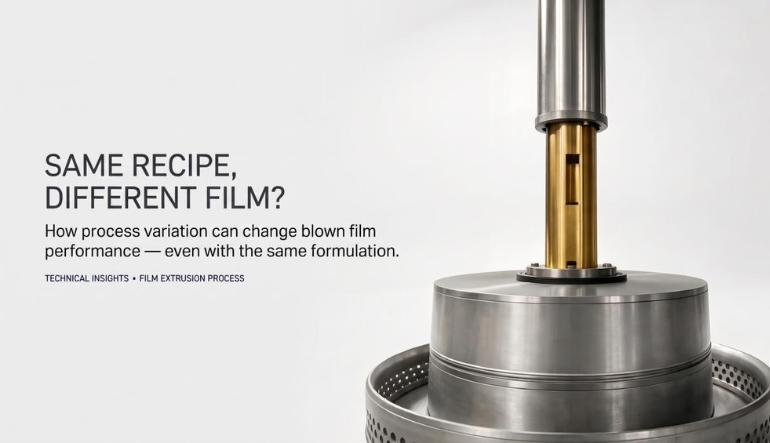
Same Recipe, Different Film: Here's Why
Last week, a customer ran two rolls of film on the same line. One roll came out perfectly fine — the other was full of gels and fish eyes. They spent three days troubleshooting. Our engineer went in, took apart the cooling air ring, and found it — one-third of the air outlets were blocked. Cleaned the air ring, restarted the line, and everything went back to normal. Same recipe. Completely different film. Why?
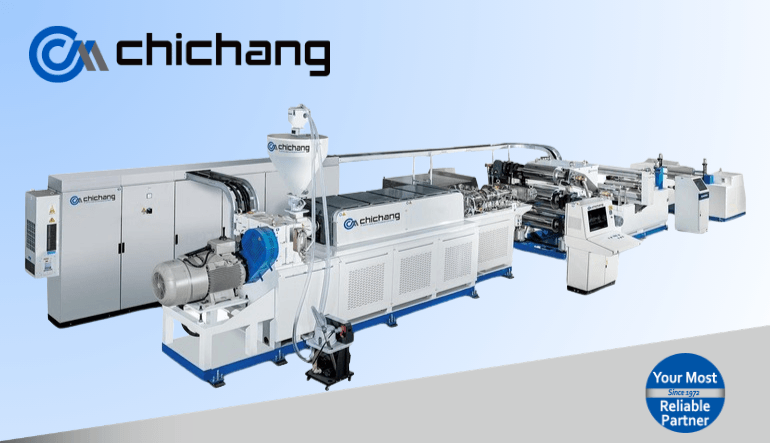
PP Sheet Extrusion Line: Where to Look When Tray Forming Goes Wrong
A roll of sheet comes off your PP sheet extrusion line. Thickness checked, surface checked, everything looks fine. The real test happens at your customer's plant, when that sheet is heated, formed, and trimmed into food trays. If one corner comes out too thin, if this batch looks hazier than the last, or if the web keeps drifting to one side, the sheet is one of the first things that gets checked.
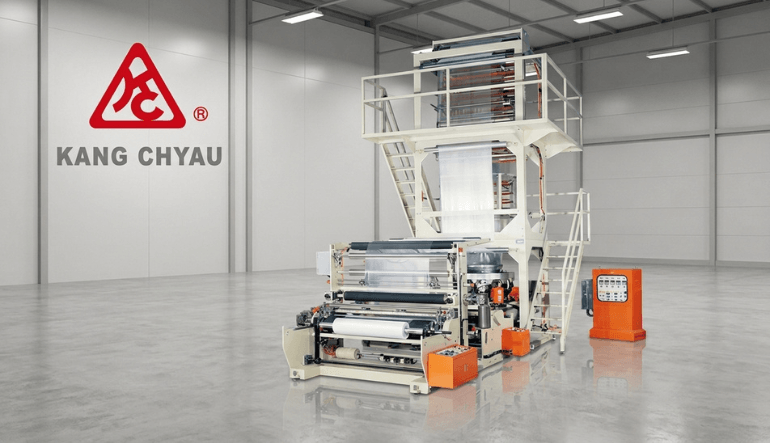
From Machine Control to Production Intelligence: Kang Chyau Brings AI into Blown Film Manufacturing
As blown film production moves toward smarter and more connected manufacturing, Taiwan-based Kang Chyau Industry is upgrading its KMT-65 HDPE/LDPE/LLDPE Plastic Inflation Machine with a stronger focus on automation, AI-assisted control and production data integration.
High Output Is Not Enough: What Really Determines Sellable Production in Blown Film?
A blown film line may reach an impressive output during a short trial, but kilograms per hour alone do not determine profitability. For film producers, the more useful question is not simply, "How fast can the line run?" but "How much qualified film can it deliver during a complete shift?"
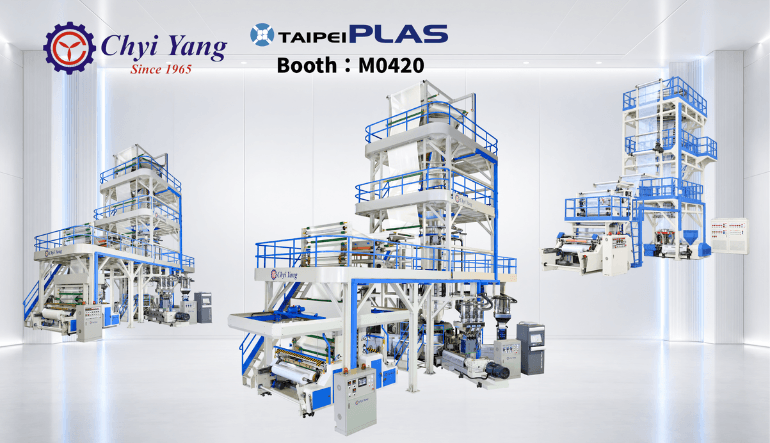
Chyi Yang’s Preview for TaipeiPLAS 2026: Built for the Requirement That Hasn't Landed Yet
In the past year alone, the EU's PPWR locked in recycled-content targets for 2030, California's SB 54 became permanent regulation after being rewritten once, and Indonesia set a target to phase out single-use plastics nationwide by the end of 2026. None of these rules looked like this three years ago. None of them are finished moving either.
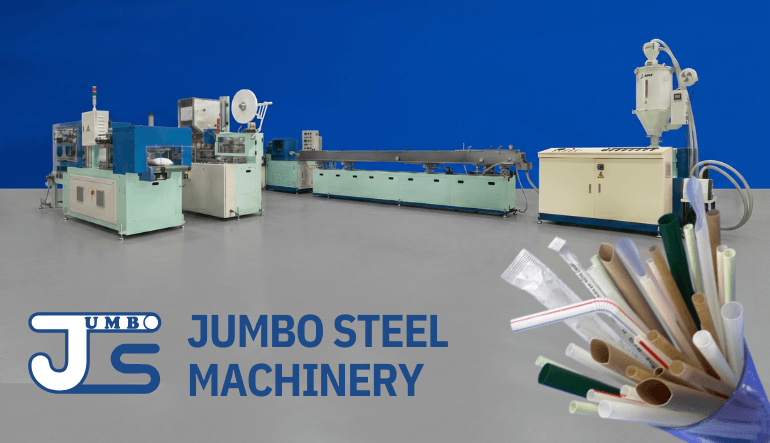
Engineering the Future of Sustainable Straw Manufacturing
Founded in 1985, our company has built decades of experience in the design and manufacture of straw production and packaging machinery. As the global single-use packaging industry embraces a new era of sustainability. However, transforming these sustainable materials into durable, food-safe straws requires more than innovative materials. It requires engineering expertise, manufacturing precision, and years of technological innovation.
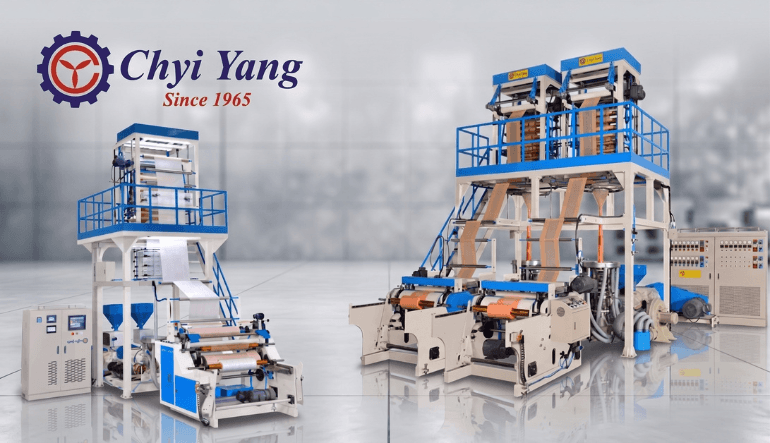
Your Formula Is the Only Cost Lever You Still Control: Turning Volatility Into Flexibility
Resin prices over recent years have been a rollercoaster and August 2026 is proving no exception. With recent geopolitical tensions in the Middle East triggering fresh upswings in global polymer pricing, quotes valid today may expire tomorrow. A formulation that maintained healthy margins in Q1 can erode profitability by Q3. A production line reliant heavily on virgin resin ties its financial stability directly to crude oil shocks, shipping volatility, and vendor quotas, factors entirely outside a film manufacturer's control.
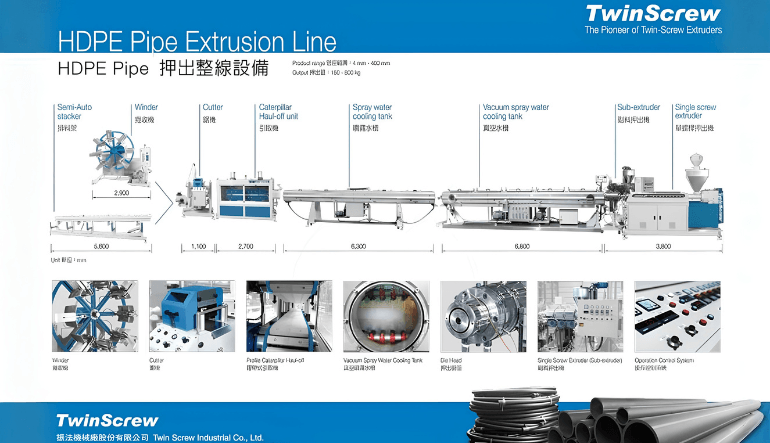
HDPE Pipe Extrusion Line – Process, Components, and Advantages of a Single-Screw System
High-density polyethylene (HDPE) pipes play a vital role in modern infrastructure, serving applications from water and gas supply to cable protection and irrigation.At the heart of every high-quality HDPE pipe lies a critical technology: the HDPE pipe extrusion line, also known as an HDPE pipe production line.This advanced system uses a high-performance HDPE pipe extrusion machine to transform raw HDPE pellets into durable, precisely shaped pipes ready for demanding applications.