

 English - EN
  繁體 - ZH-TW
  简体 - ZH-CN
  Español - ES
  日本語 - JA
  العربية - AR
  Русский - RU
  Français - FR

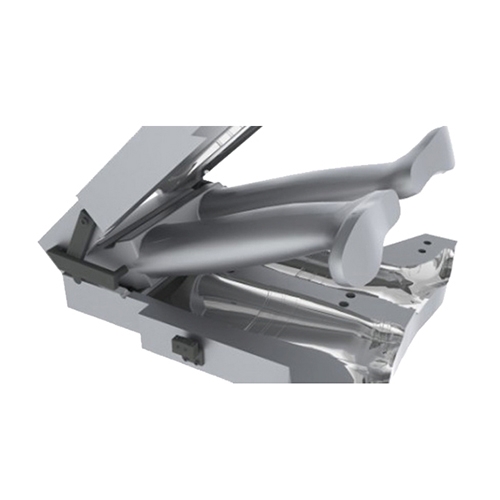



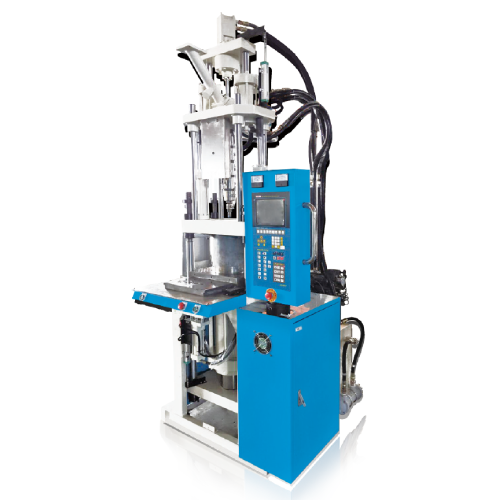
立式關模立式射出機-YH系列
產品分類 : 立式射出成型機
-四柱/垂直夾緊,垂直注射。 拉桿之間的矩形形狀,易於插入。 -雙注射氣缸平衡,實現平穩,強勁的注射。 -結構簡單,佔用很少。 -雙作用夾緊缸,用於快速夾緊,低速高壓夾緊。 -單次滑動將下模推出,便於裝卸。 -雙重滑動使用兩個下部模具,在操作員裝載另一個模具的同時對零件進行機加工,以提高生產率。

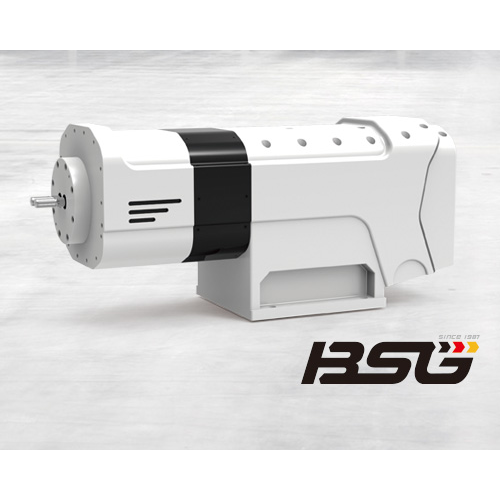
同向雙螺桿押出機齒輪箱
產品分類 : 傳動、電機與驅動系統及齒輪
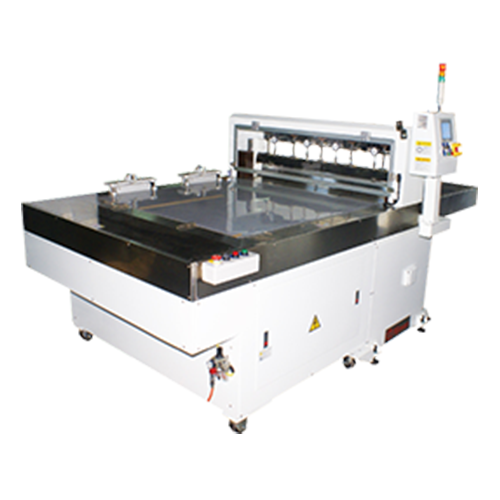
高精密偏光板切片機 TRC-1200
產品分類 : 切割機
Stable Bottomdead Center Accuracy: The delicate-design mechanism can maintain the stable bottomdead center accuracy under high speed cutting running. Knife Height Adjustment Mechanism: When setting up knife mold, the instrument of the machine can make right and left adjustment respectively as well as complete the setup of knife mold clearly and rapidly. Easy-Operate Operation Panel: This machine adopts new touch screen featuring affinity operation interface that makes an easy operation, thus lowering cost for employee training. Accuracy Delivery Mechanism: Oaded with new mechanism, the delivery move volume digital setup, it achieves a stable an accurate delivery function. High Speed Cutting: The strengthened-design mechanism can allow high speed cutting. High Torsiodamper: With the strong rigidity of the unit, noise can be maintained within the standard value under high speed running.
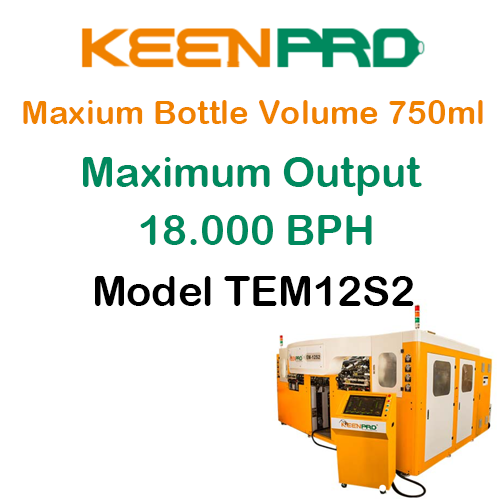
PET吹瓶機系列-TEM12S2
產品分類 : 全自動中空成型機
1000瓶的鼓風機功耗:2Wh空氣壓縮機的功耗:6 kWh緊湊的空間由伺服電機控制的螺桿驅動,提供快速,平穩的運動單燈雙向集中加熱,易於控制在3°C和能量加熱低壓空氣由於採用了高壓回收系統,因此不需要壓縮機。高效的空氣回收系統,最高可達45%

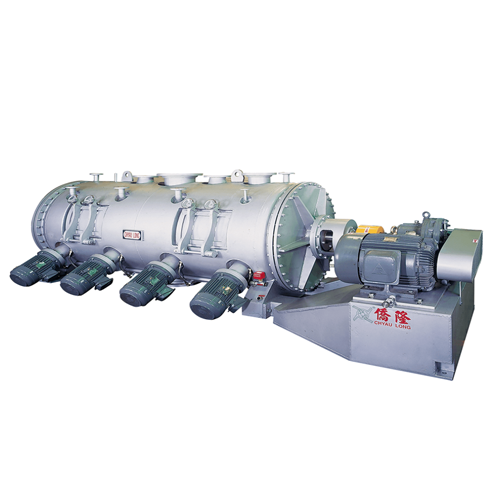
圓筒式混合機CL-Z
產品分類 : 混合機
特色 本機可混合多種物料,並可加裝高轉速馬達及擴散刀具,能使物料在最短時閻內混合更加均勻,不積熱,更不會破壞原物料的品質 本機特點乃將混合時之塊狀物加速分散 適於剎車專用原料混合,玻璃纖維的擴散,鐵氧磁體(Ferriet)丶化工原料及紡織纖維之混合等