


 English - EN
  繁體 - ZH-TW
  简体 - ZH-CN
  Español - ES
  日本語 - JA
  العربية - AR
  Русский - RU
  Français - FR

近期更新 立即訂閱
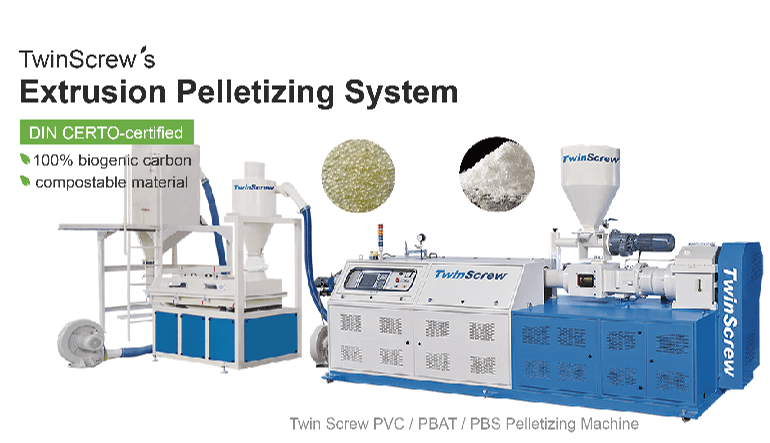
Meeting the challenge head-on! As the Chinese machine industry makes advancements, Taiwanese competitors meet the challenge with three major strategies.
As the application of plastics and rubber continues to expand, the Chinese see incredible growth potential and value in participating in the market. Both government and private companies in China have invested heavily on it, from adapting technology for production to quickly entering the market with a small-profit-margin and high-volume sales approach. In this context, how should Taiwan's machinery industry face the impact?
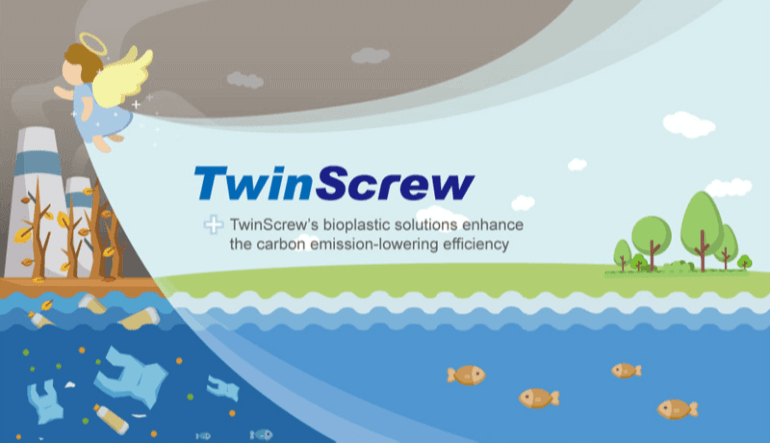
TwinScrew’s Bioplastic Solutions Enhance the Carbon Emission-lowering Efficiency
The plastics industry is undergoing critical transformation to achieve the goal of net zero defined in UNFCCC. It is generally accepted that increase in reuse, reduction and recycling are essential actions. However, the latest annual recycling rate is 9% and only 40% of the recycled plastic wastes went to the products though the European area leads the world in awareness of environmental sustainability and recycling infrastructures.
TwinScrew is Committed to Sustainable Environment with Devotion to the Extrusion Machinery for Bioplastics
By the year 2050, sixty percent of the carbon emission derived by plastic industry could be vanished if the annual growth of the demand on plastic products could be reduced 2% from now on. It is clear that reducing the use of plastics is the top priority in the perspective of circular economy.
TWINSCREW - Building Sustainable Business for the Plastic Industry in the Global Low-carbon Trend
Since the effectiveness of the "New Plastics Economy Global Commitment" in 2018, increasing numbers of multinational agglomerates such as Unilever, Coca-Cola, Nestlé and Carrefour have committed themselves the responsibility for a sustainable environment.
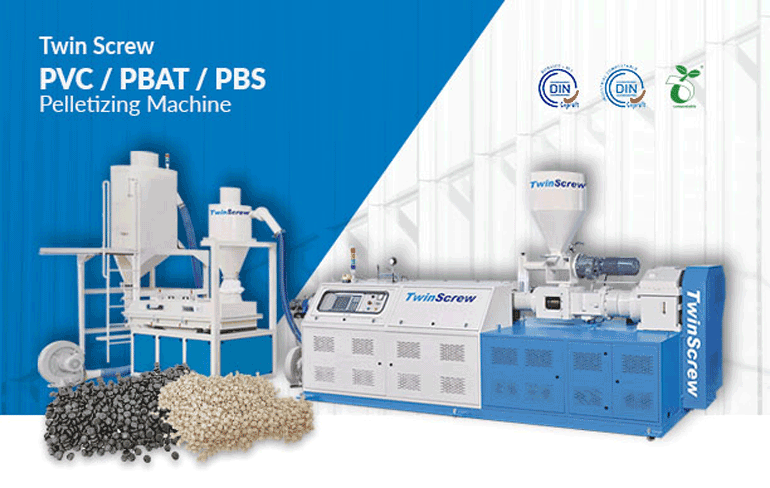
TWINSCREW - Applications of TwinScrew's Extruding System for Making Thermoplastic Starch (TPS) Granules and TPS-blended Bioplastics
The investment on reducing carbon emission is becoming the most critical factor determining the sustainable growth of the manufacturing industry. Carbon neutrality achieved by 2060 has been committed by the countries contributing more than 75% worldwide GDP.