


 English - EN
  繁體 - ZH-TW
  简体 - ZH-CN
  Español - ES
  日本語 - JA
  العربية - AR
  Русский - RU
  Français - FR
近期更新 立即訂閱
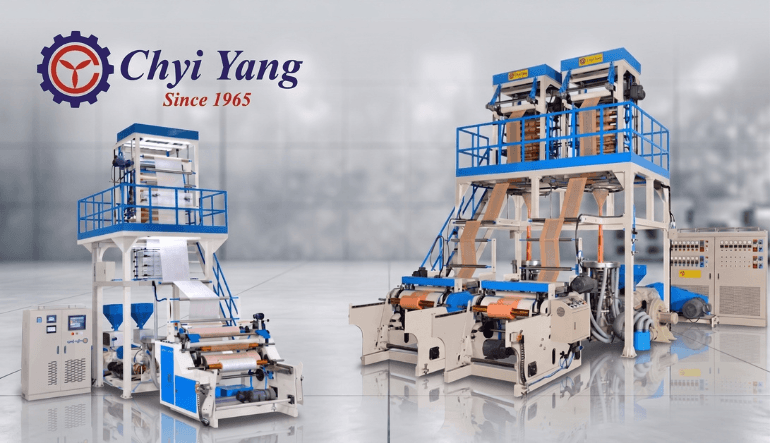
原料價格坐雲霄飛車,你的產線跟著晃嗎?
這幾年原料價格本來就像坐雲霄飛車,2026年8月更是沒有例外。中東地緣政治緊張局勢近期再度推升全球聚合物價格,今天報的價格,明天可能就失效了。第一季還撐得住毛利的配方,到了第三季可能就開始吃掉利潤。一條高度仰賴原生料的產線,等於把自己的財務穩定,直接綁在原油衝擊、船運波動跟供應商配額這些完全不受膜廠控制的因素上。
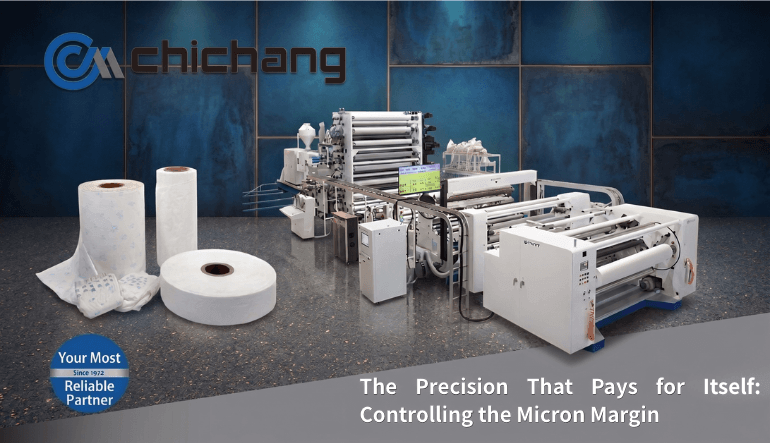
Breathable, Yet a Liquid Barrier: What to Know Before Evaluating a PE Breathable Film Line
PE breathable film is a polyethylene film with micron-scale pores throughout: water vapor passes through, while liquid water is held back under the designed pressure conditions. In baby diapers and sanitary napkins, a liquid-barrier outer layer that can still release moisture vapor, thanks to its microporous structure. Chi Chang’s listed applications also include masks and surgical gowns; actual use depends on the product’s construction and regulatory requirements.
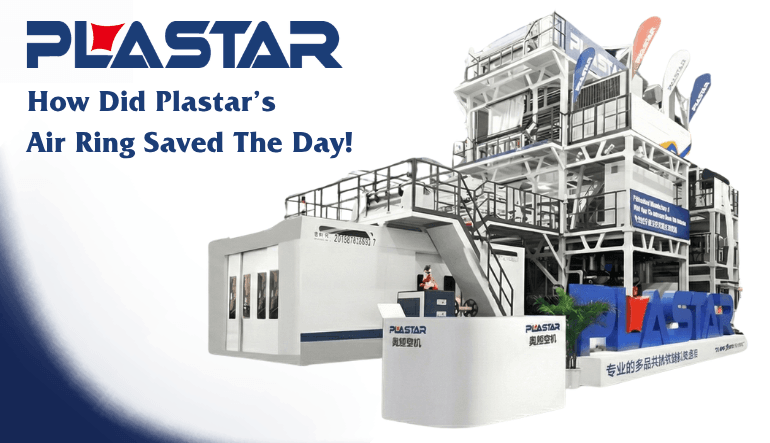
PLASTAR Automatic Air Ring Helps Control Film Thickness Before It Becomes Waste
In blown film production, thickness variation is often where hidden cost begins. It is not only a number on a quality report. It affects resin consumption, winding quality, printing registration, lamination stability and the customer's confidence in every roll delivered. For producers of food packaging, composite film, printing film and shrink film, unstable cross-direction thickness can quickly turn into wasted material, longer adjustment time and avoidable production cost.
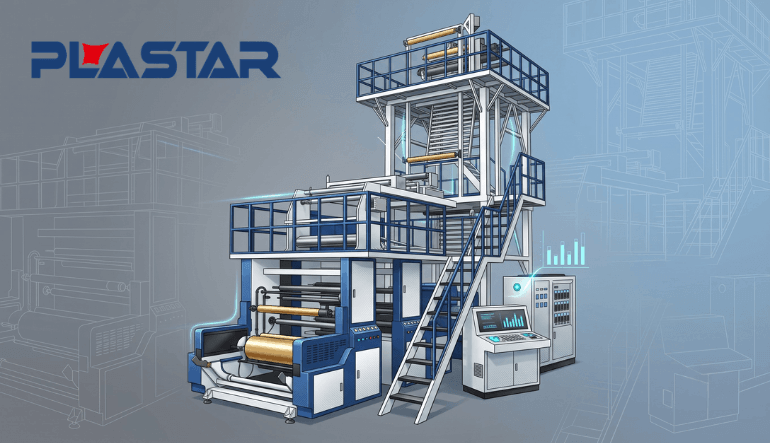
PLASTAR Launches Advanced Five-Layer Co-Extrusion Blown Film Production Line
The intelligent automatic air ring achieves ±3‰ thickness accuracy, reduces the scrap rate by more than 3%, and increases production capacity by 10%–15%. Soaring energy costs and strict recycling requirements under the EU PPWR framework are reshaping the European packaging industry, driving global demand for more energy-efficient and material-saving blown film production systems. Converters are increasingly turning to recyclable, downsized, multi-layer structures to lower their carbon footprint and stabilize operating costs.
The Rise of Mono-Material Packaging: Why All-PE Solutions Matter for the Future of Flexible Packaging
The global packaging industry is undergoing a significant transformation. Driven by evolving regulations such as the European Union's Packaging and Packaging Waste Regulation (PPWR), as well as aggressive sustainability commitments from leading global consumer brands, packaging design is shifting from a performance-first approach toward a recyclability-first strategy.
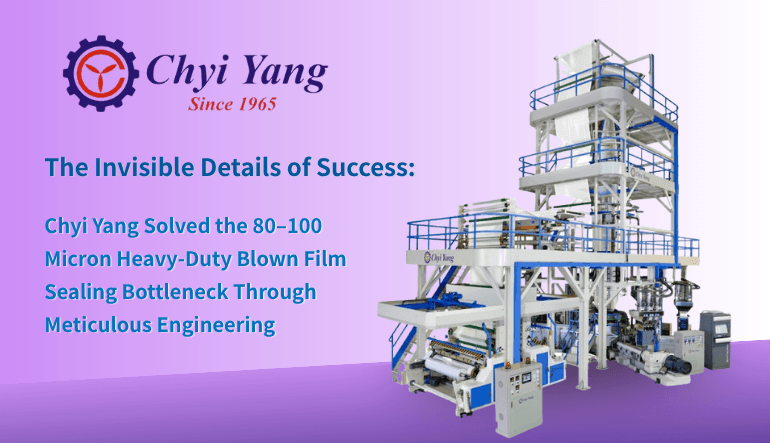
The Invisible Details of Success: How Chyi Yang Industrial Solved the 80–100 Micron Heavy-Duty Blown Film Sealing Bottleneck Through Meticulous Engineering
In my twenty years covering the global plastics and rubber machinery industry, I have heard countless manufacturers boast about their blazing extrusion speeds or staggering output figures. The true trial of any machine begins the moment it hits the factory floor and the power switch is flipped.
The 2030 PPWR Countdown: How PLASTAR Beats the "Sustainability Output Tax"
The last 18 months changed how European converters spec a new line. PPWR begins applying on Aug 12, 2026. Minimum recycled-content thresholds tighten toward 2030. EN 13432 sets the compostable bar. PCR pressure builds across every packaging category — contact-sensitive applications included.
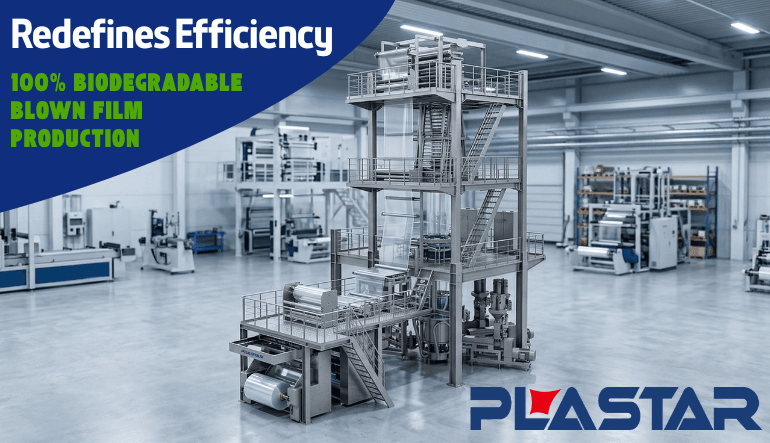
Debunking the Output Myth: How PLASTAR Redefines Efficiency in 100% Biodegradable Blown Film Production
For years, a persistent myth has circulated within the packaging industry: "Going 100% biodegradable means losing 20% of your output." At the recent CHINAPLAS 2026, this was the most frequent concern raised by manufacturers. The transition to PLA, PBAT, and starch-based blends is often associated with technical headaches—bubble instability, thickness variation, and significant downtime.
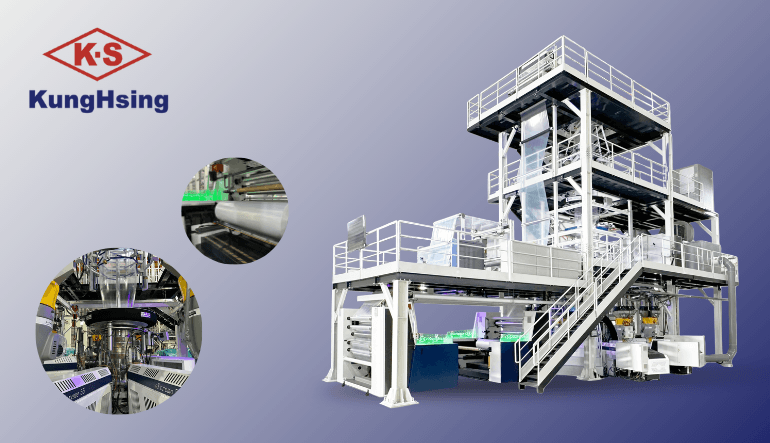
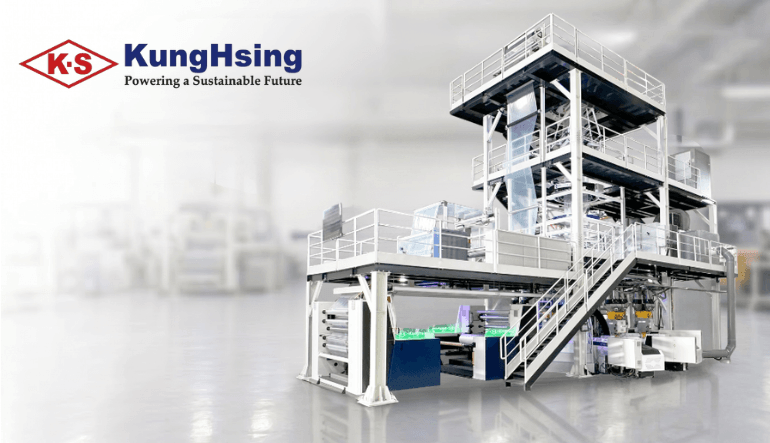
Kung Hsing' Seven-Layer Co-Extrusion Blown Film Technology: Precision Engineering for High-Performance and Sustainable Packaging
seven-layer co-extrusion blown film systems represent a critical milestone in achieving advanced barrier performance and material optimization. With over five decades of extrusion engineering expertise, KS delivers stable, efficient, and fully integrated blown film solutions designed for high-end industrial applications.
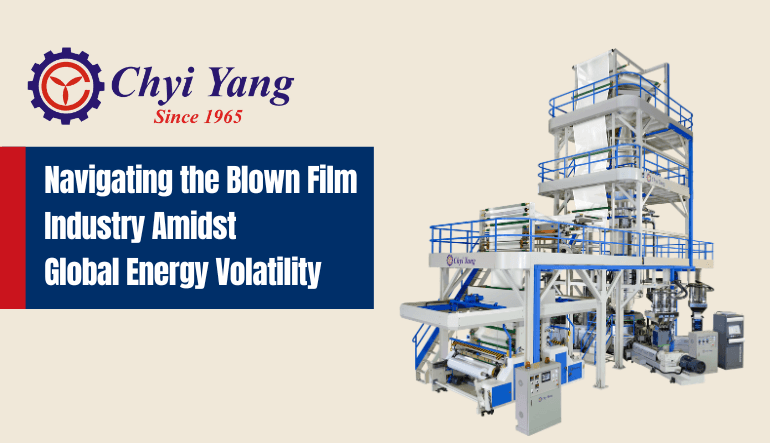
Strategic Efficiency: Navigating the Blown Film Industry Amidst Global Energy Volatility
As we look toward CHINAPLAS 2026, the global manufacturing landscape is navigating a period of profound transformation. The relative stability of the past decade has been replaced by a "new normal" characterized by geopolitical friction and energy supply chain fragility. Recent global conflicts have underscored the vulnerability of industrial operations to fluctuating crude oil and natural gas prices.
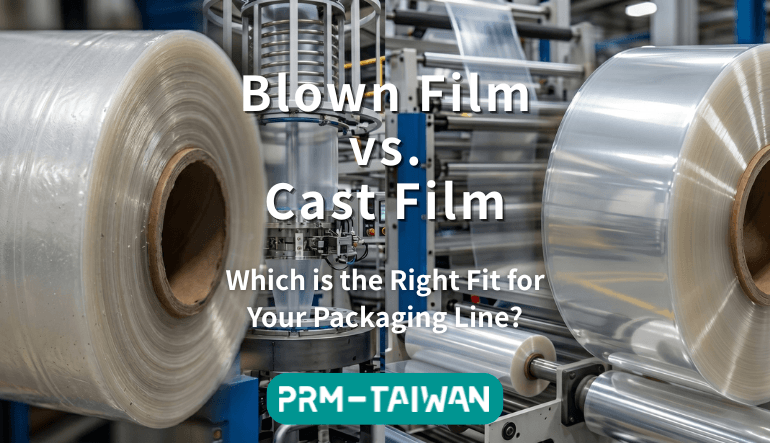
Blown Film vs. Cast Film: Which is the Right Fit for Your Packaging Line? PRM Explains!
We have to say, it's a bit like asking whether an off-road vehicle or a sports car is better! There is no absolute winner, only the "perfect solution tailored to your end products and production line requirements." While both films originate from high-temperature melting of plastic pellets (the extrusion process), the subsequent "cooling and forming" magic gives them entirely distinct physical personalities.
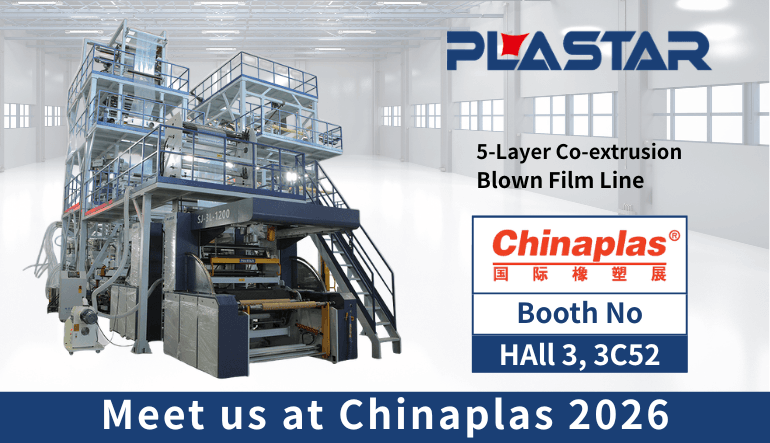
Stop the Bleed: End the "Speed vs. Precision" Trade-off in High-Barrier Film
If you are running high-barrier packaging film, the math is becoming brutal. With global PP and PE resin prices surging by 24% earlier this year due to regional conflicts and supply chain disruptions, every gram of wasted barrier material eats directly into your net profit. At these astronomical costs, uneven film thickness at high extrusion speeds isn't just a quality control hiccup—it is a catastrophic margin killer.