

 English - EN
  繁體 - ZH-TW
  简体 - ZH-CN
  Español - ES
  日本語 - JA
  العربية - AR
  Русский - RU
  Français - FR
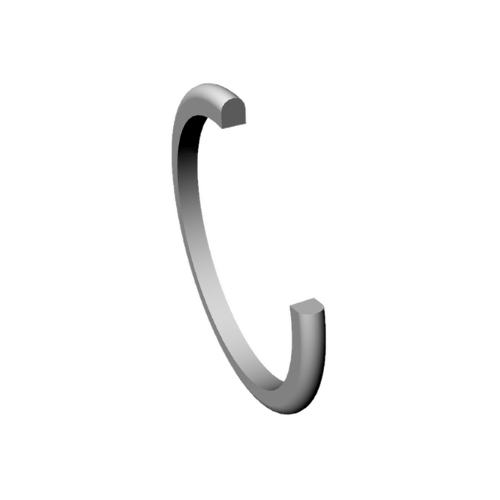
What is a D-Ring Seal?
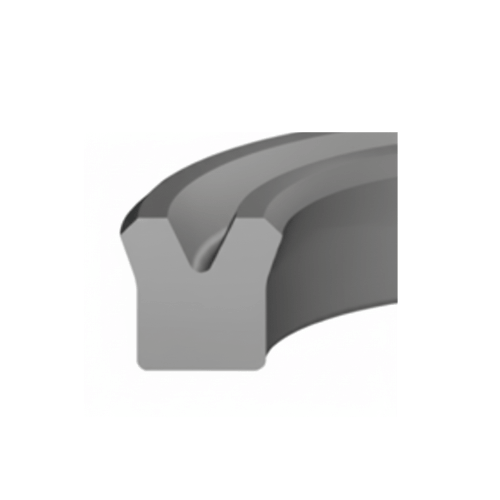
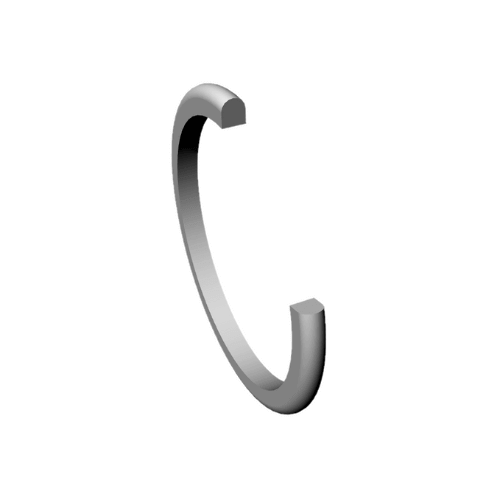
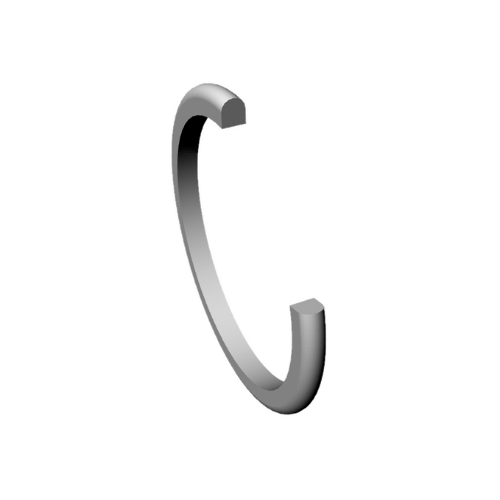
A D-Ring seal features a unique flat base and rounded top profile. This geometry provides exceptional groove stability, effectively preventing rolling or twisting during operation.
Compared to standard O-rings, D-rings deliver superior performance in dynamic and reciprocating sealing applications, especially under high-pressure cycles.
Key Advantages & Technical Features
The flat base provides a secure fit within the gland, preventing the seal from rolling during high-pressure cycles.
Curved top ensures precise contact pressure, creating an airtight barrier in hydraulic and pneumatic systems.
Specifically designed to reduce breakout friction and extend maintenance intervals of heavy machinery.
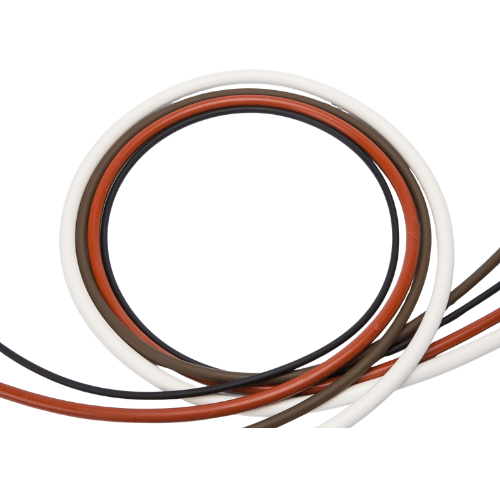
Available in NBR, FKM, and EPDM to meet specific chemical and thermal requirements.
D-Ring vs. O-Ring Performance Comparison
| Technical Feature | D-Ring Seal | Standard O-Ring |
|---|---|---|
| Cross-section | D-Shaped (Flat Base) | Round (Circular) |
| Groove Stability | Superior Flat base prevents tilting |
Moderate |
| Anti-Rolling Resistance | Very High Eliminates spiral failure |
Limited Risk of spiral twist |
| Dynamic Sealing | Highly Suitable | Standard |
| Service Life | Significantly Extended | Standard |
D-Ring Material Selection Guide
| Material | Technical Features | ✔ Recommended | ✘ Not Recommended | Typical Applications |
|---|---|---|---|---|
| NBR Nitrile Rubber |
Oil-resistant elastomer. ACN content balances low-temp flex with tensile strength. | Petroleum oils, Water (≤100°C), weak acids. | Aromatic fuels, ozone, polar solvents. | 70A: Mineral oil, air. 90A: High-pressure hyd. |
| EPDM Ethylene Propylene |
Superior ozone & chemical resistance. Excellent electrical insulation. | Brake fluids, steam (≤204°C), ketones. | Petroleum oils, hydrocarbons. | 70A: Water, alcohols, silicone oils. |
| FKM Fluoroelastomer |
Premium heat & ozone resistance. Lowest gas permeability. | High vacuum, aggressive chemicals, high-heat. | Hot steam, amines, brake fluids. | 75A: Aerospace & Automotive chemical seals. |
Typical Applications
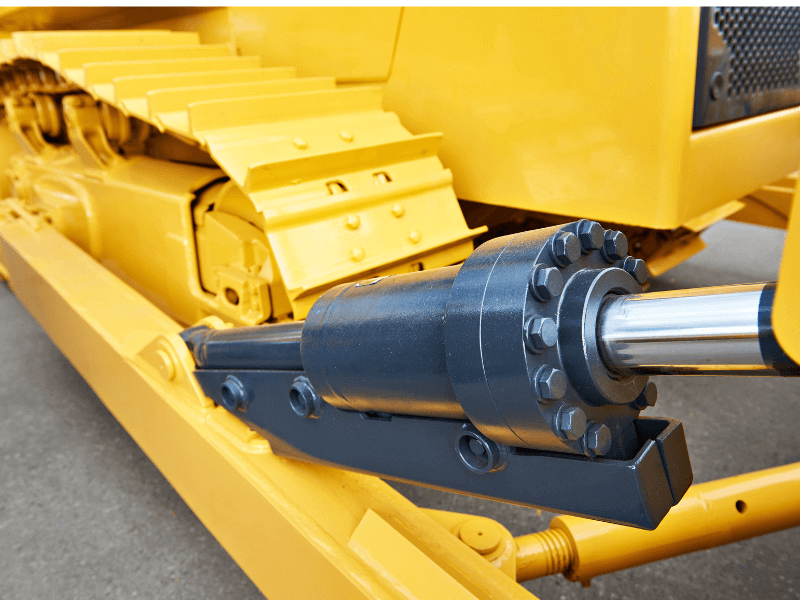
Perfect for piston/rod seals in reciprocating cylinders where stability is paramount.
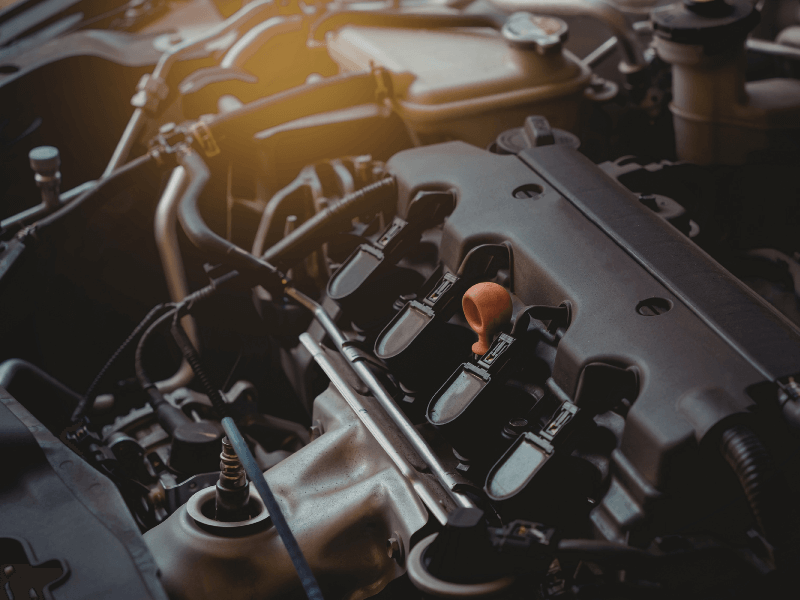
High reliability in fuel systems, braking components, and engine assemblies.
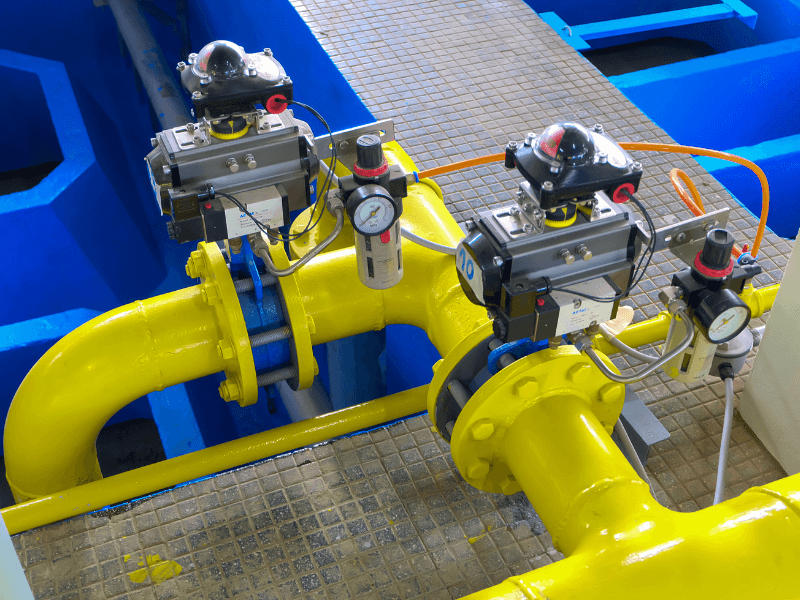
Used in heavy-duty pumps, valves, and equipment subject to cyclic high pressures.
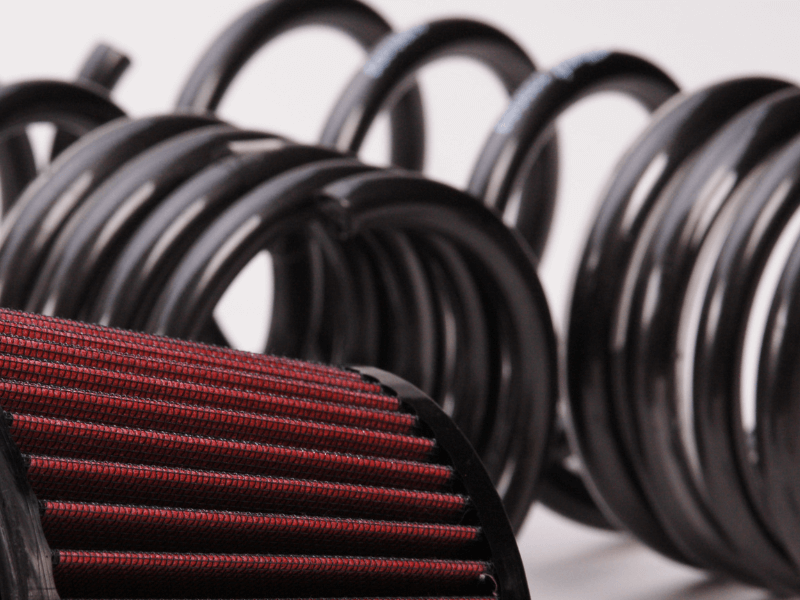
Fits standard AS568 grooves—upgrade your performance without modifying existing hardware.
D-Ring (D-Shaped Sealing Rings) FAQ
Expert insights into high-stability reciprocating sealing solutions.
Q1 : What makes a D-Ring superior in preventing "Spiral Failure"?
Spiral failure occurs when a standard O-Ring gets caught on a moving part and twists 180 degrees. The D-Ring's unique flat base increases friction against the groove bottom while keeping low friction on the sealing face.
This geometry physically anchors the seal, preventing the rolling motion that leads to premature failure in reciprocating applications.
Q2 : How does the Flat Base fit existing O-Ring grooves?
The flat side sits securely at the base of the gland. Most D-Rings are designed as "drop-in" replacements for standard AS568 O-Ring grooves.
✓ No hardware modification required.
✓ Immediate upgrade to seal stability.
Q3: Material selection for D-Rings
Best for petroleum oils & general hydraulic use.
For high heat and aggressive chemical environments.
Ideal for water, steam, and outdoor weathering.
Q4: Suitable for both Hydraulic & Pneumatic?
Absolutely. In Hydraulics, D-Rings manage high-pressure fluid retention. In Pneumatics, they provide a low-friction, airtight seal for cylinders and valves.