

 English - EN
  繁體 - ZH-TW
  简体 - ZH-CN
  Español - ES
  日本語 - JA
  العربية - AR
  Русский - RU
  Français - FR
The High-Stability Alternative to Standard O-Rings
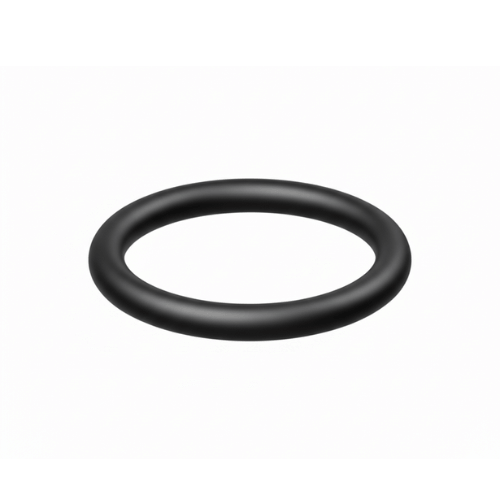
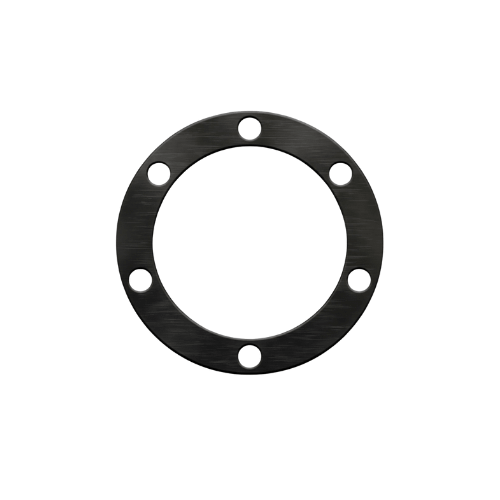
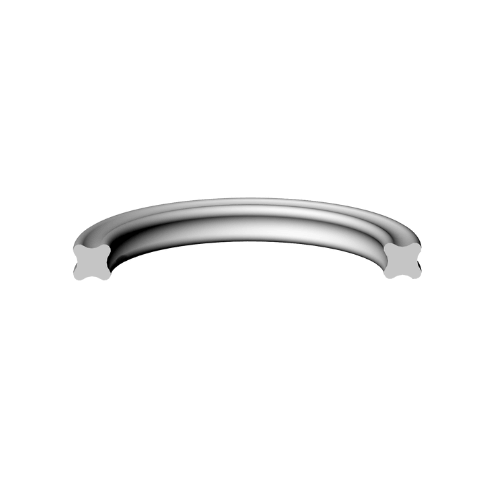
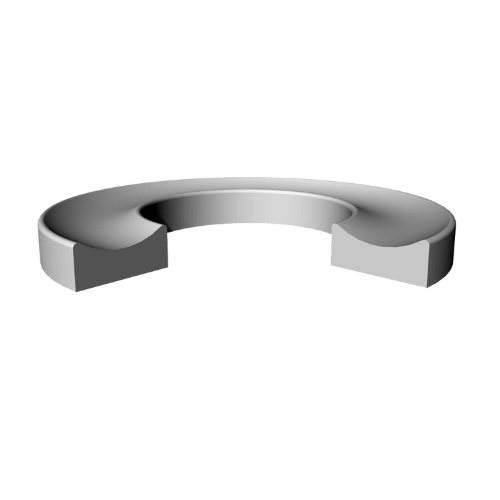
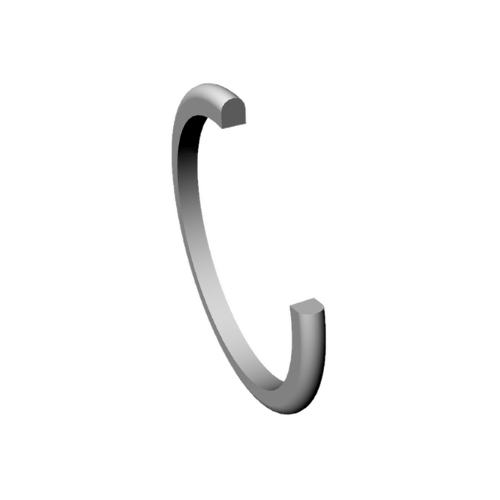
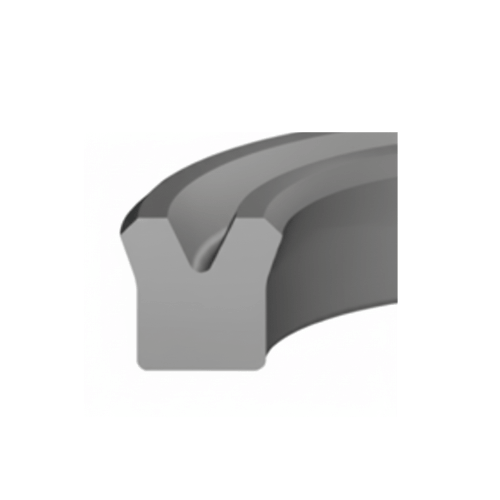
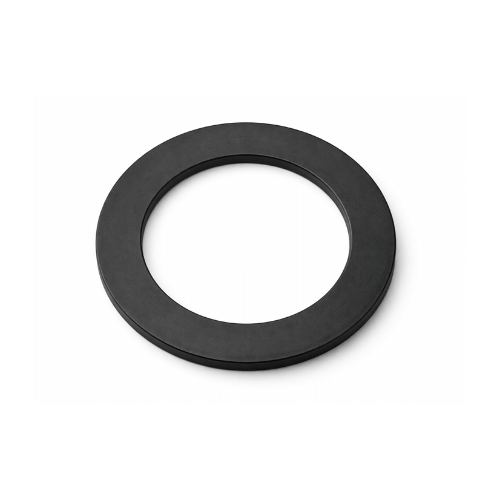
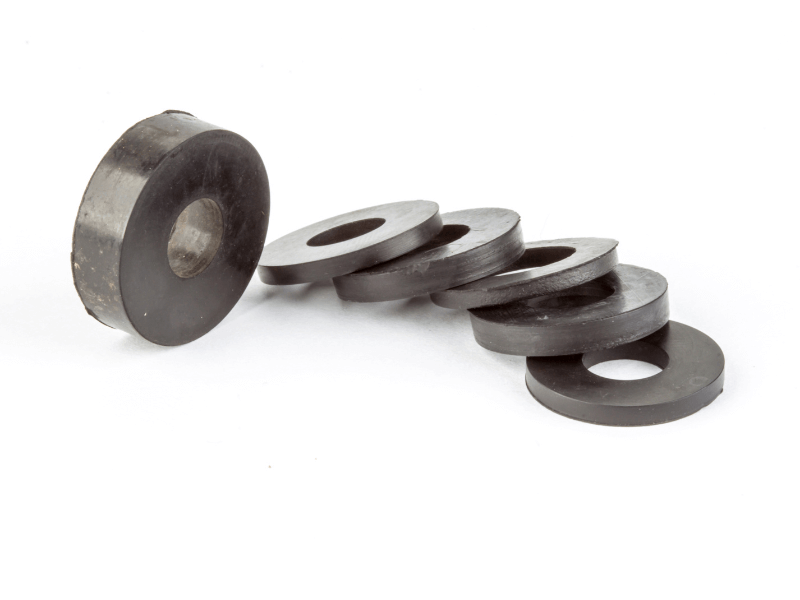
Our precision-engineered Rubber Washers—commonly referred to as Square-Cuts, Lathe-Cuts, or Square-Rings—are designed with a rectangular cross-section to provide ultimate sealing integrity.
While fully compatible with AS 568 size standards, their unique geometry delivers a mechanical advantage that traditional O-Rings cannot match. By providing a larger contact surface and a higher groove-fill rate, our rectangular seals ensure long-term reliability in high-pressure environments.
Why Choose Rubber Washers (Rectangular Seals)?
Superior Mechanical Stability
- Anti-Extrusion: Handles higher pressure loads than circular profiles, reducing extrusion risk.
- Spiral Prevention: Higher groove-fill rate prevents sliding, twisting, or "spiral failure".
- Load Distribution: Spreads clamping force effectively, preventing stress-related corrosion.
Performance & Protection
- Leak Barrier: Inherent flexibility creates a high-integrity barrier for liquids and gases.
- Shock Absorption: Acts as a mechanical damper to reduce noise and vibration wear.
- Surface Cushioning: Prevents direct contact and scratching between mating parts.
Engineering & Versatility
- Strategic Parting Lines: Ensures a burr-free finish and tighter dimensional tolerances.
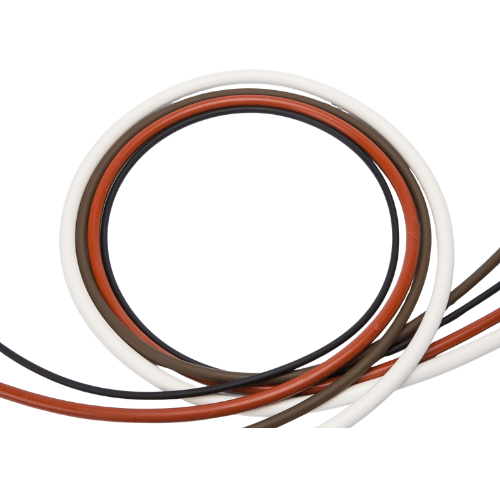
- Broad Resistance: Available in NBR, EPDM, and FKM for various thermal environments.
- Electrical Insulation: Prevents galvanic corrosion between fasteners and housings.
Expertly engineered for high-pressure and critical industrial environments.
Applications of Rubber Washers
Rubber washers are extensively used across a wide range of industries:
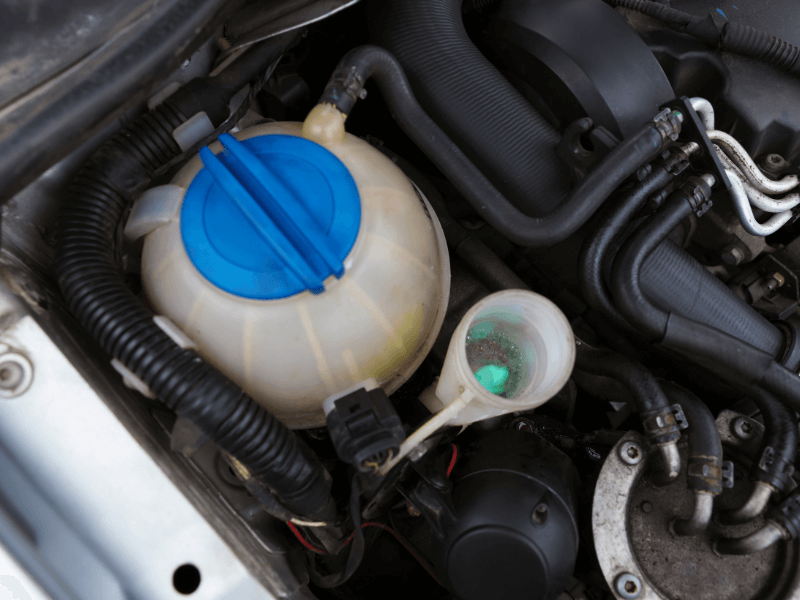
Sealing, vibration damping, and fluid control.
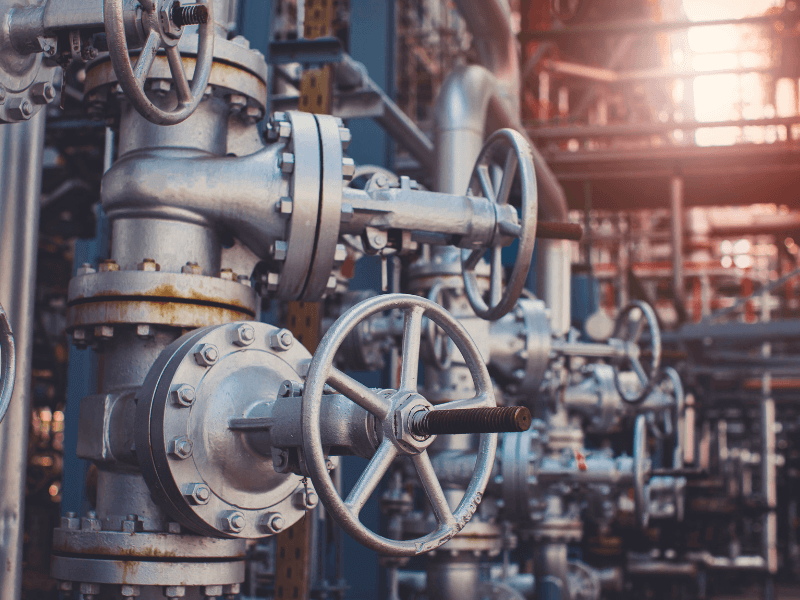
Resistance to chemicals, oils, and pressure.

Hygienic sealing with compliant materials.
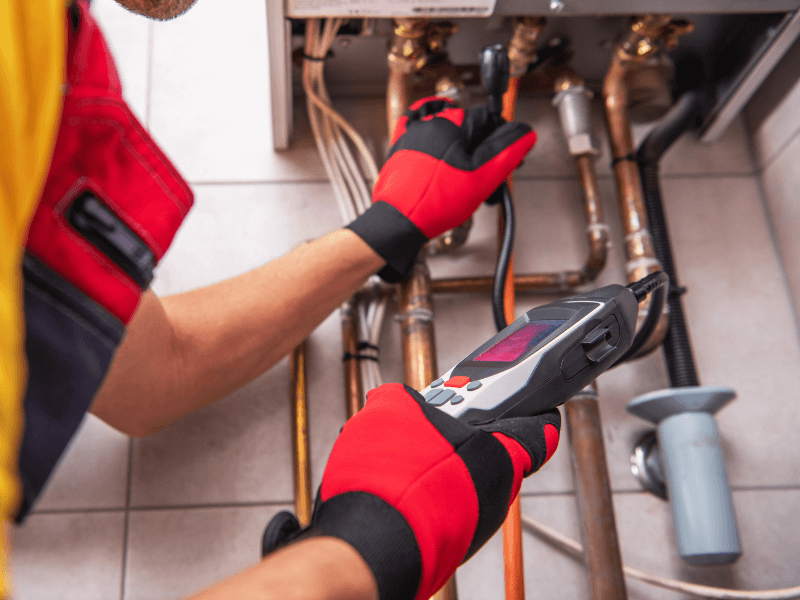
Leak prevention and pressure stabilization.
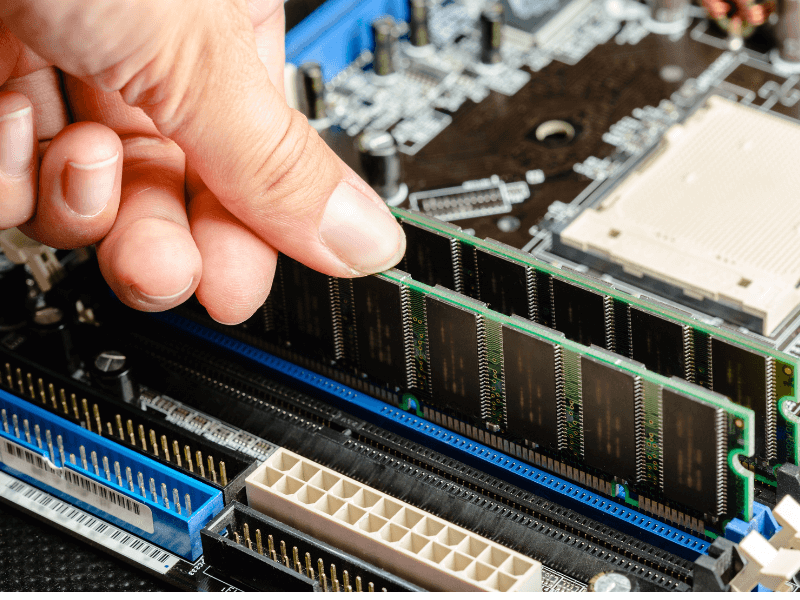
Insulation, shock absorption, and protection.
Environmental sealing and long-term reliability.
Material Selection Guide
We offer a variety of high-quality elastomers tailored to meet diverse industrial requirements.
- Food-grade & Biocompatible
- Excellent Flexibility
- High Heat Resistance
- Acid & Alkali Resistant
- Flame Retardant
- Extreme Durability
- Excellent Oil Resistance
- Fuel Resistance
- Good Mechanical Properties
- Weather & Ozone Resistant
- Water & Steam Resistant
- Good Aging Properties
Industrial Washer FAQ
Q1: What is a washer and its primary functions?
A washer is an essential component installed between a fastener and the mating surface. Its design focuses on protecting the integrity of the connection:
- Load Distribution: Spreading pressure across a wider area to prevent surface deformation.
- Sealing: Filling micro-gaps to create a barrier against liquid or gas leaks.
- Vibration Resistance: Absorbing mechanical energy to prevent fastener loosening.
Q2: Most common types of industrial washers?
Depending on your application, we provide several specialized designs:
Q3: Washer vs. Gasket: What's the difference?
| Feature | Washer | Gasket |
|---|---|---|
| Primary Installation | Directly under bolts or nuts | Between two large mating flanges |
| Sealing Capability | Secondary (Load focus) | Primary (High-pressure seal) |
| Main Material | Steel, Copper, Hard Rubber | NBR, Silicone, PTFE, Graphite |
Q4: Are custom washers available?
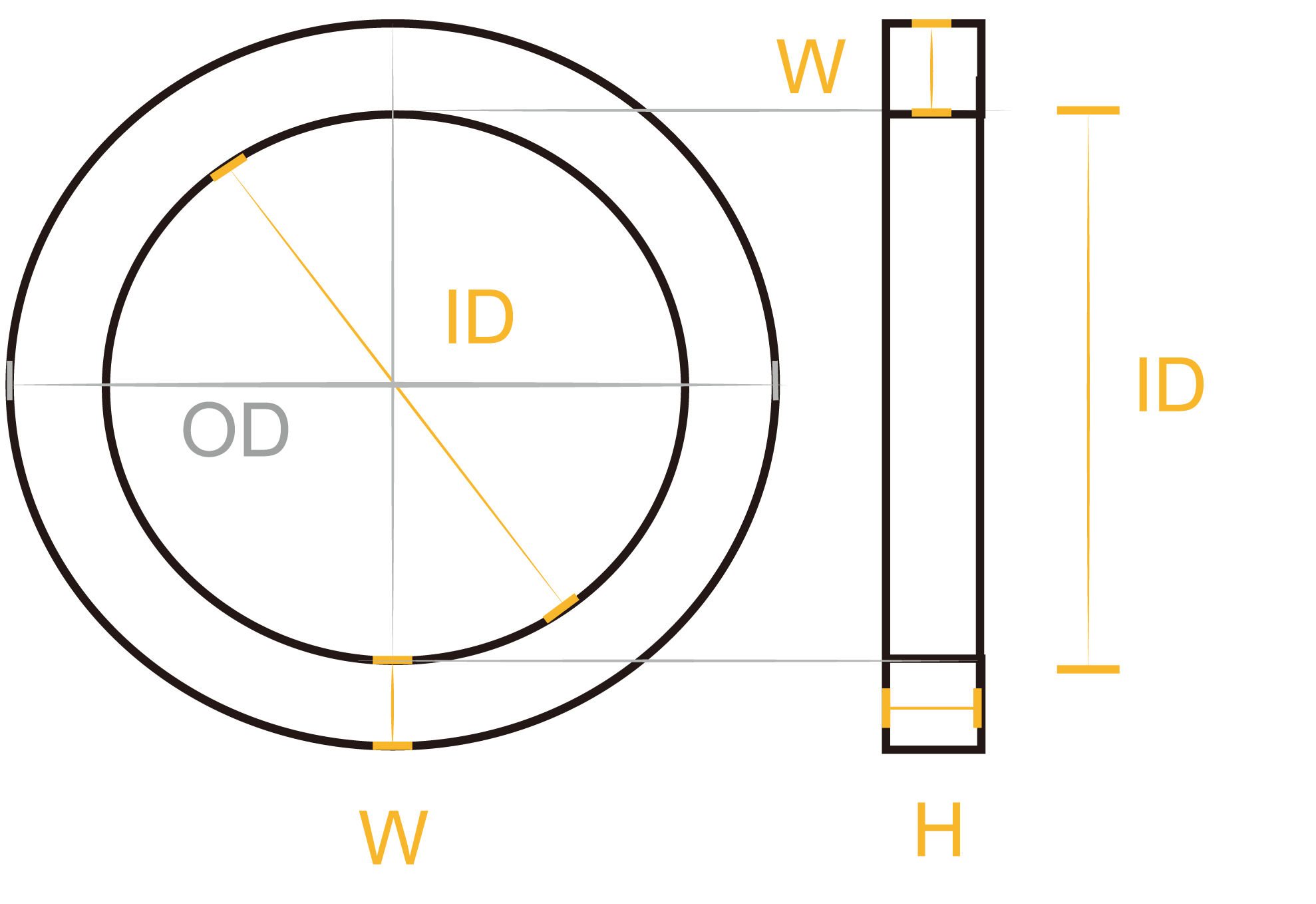
Yes. We provide full customization to meet specific engineering requirements. Parameters include: